Tji Joist Sizes: Unlocking the Secrets of Optimized Floor Framing
Tji Joist Sizes: Unlocking the Secrets of Optimized Floor Framing
The world of construction and architecture has witnessed a significant shift towards optimized building practices, and Tji joists have emerged as a game-changer in floor framing. Tji joists, also known as T-joists, are a type of engineered wood joist that has gained popularity due to their exceptional strength, versatility, and cost-effectiveness. In this article, we will delve into the world of Tji joist sizes, exploring the various options available, their benefits, and how they can revolutionize your construction project.
Tji joists are designed to provide a robust and reliable platform for floor loads, while minimizing the use of materials and reducing waste. The unique T-shaped profile of Tji joists offers several advantages over traditional solid-sawn joists, including improved load-carrying capacity, enhanced stability, and reduced deflection. With the increasing demand for energy-efficient and sustainable building practices, Tji joists have become an attractive option for architects, engineers, and builders.
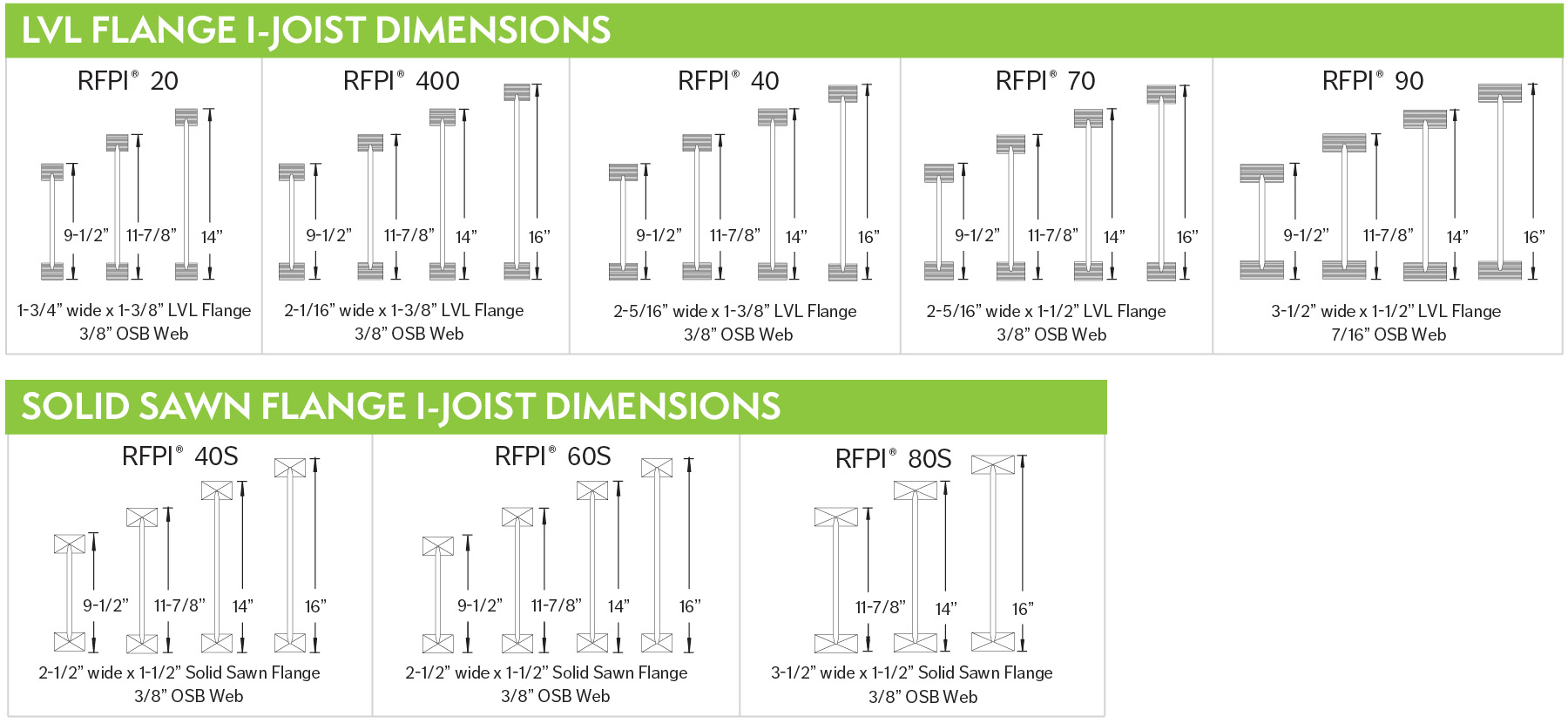
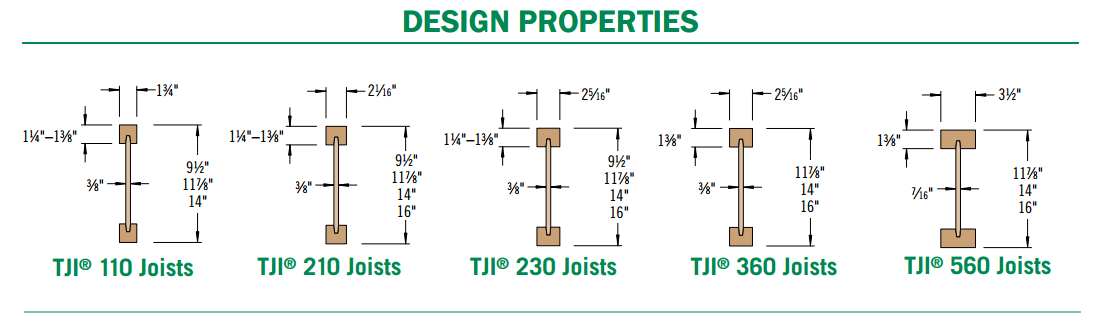
When it comes to Tji joist sizes, there are several options available, each with its unique characteristics and applications. The most common Tji joist sizes are 140x35mm, 140x45mm, 140x55mm, 190x35mm, and 190x45mm. These sizes are suitable for a wide range of construction projects, from residential homes to commercial buildings.
The Benefits of Tji Joists
Tji joists offer numerous benefits that make them an attractive option for builders and architects. Some of the key advantages of Tji joists include:
- Improved Load-Carrying Capacity: Tji joists can handle heavier loads than traditional solid-sawn joists, making them ideal for large-scale construction projects.
- Enhanced Stability: The T-shaped profile of Tji joists provides improved stability and resistance to twisting and bending, reducing the risk of joist failure.
- Reduced Deflection: Tji joists exhibit less deflection than solid-sawn joists, ensuring a more even and stable floor surface.
- Increased Energy Efficiency: Tji joists can be used to create a more airtight and insulated building envelope, reducing heat loss and energy consumption.
- Sustainability: Engineered wood Tji joists are made from sustainably sourced materials, reducing the carbon footprint of construction projects.
Tji Joist Sizes: A Closer Look
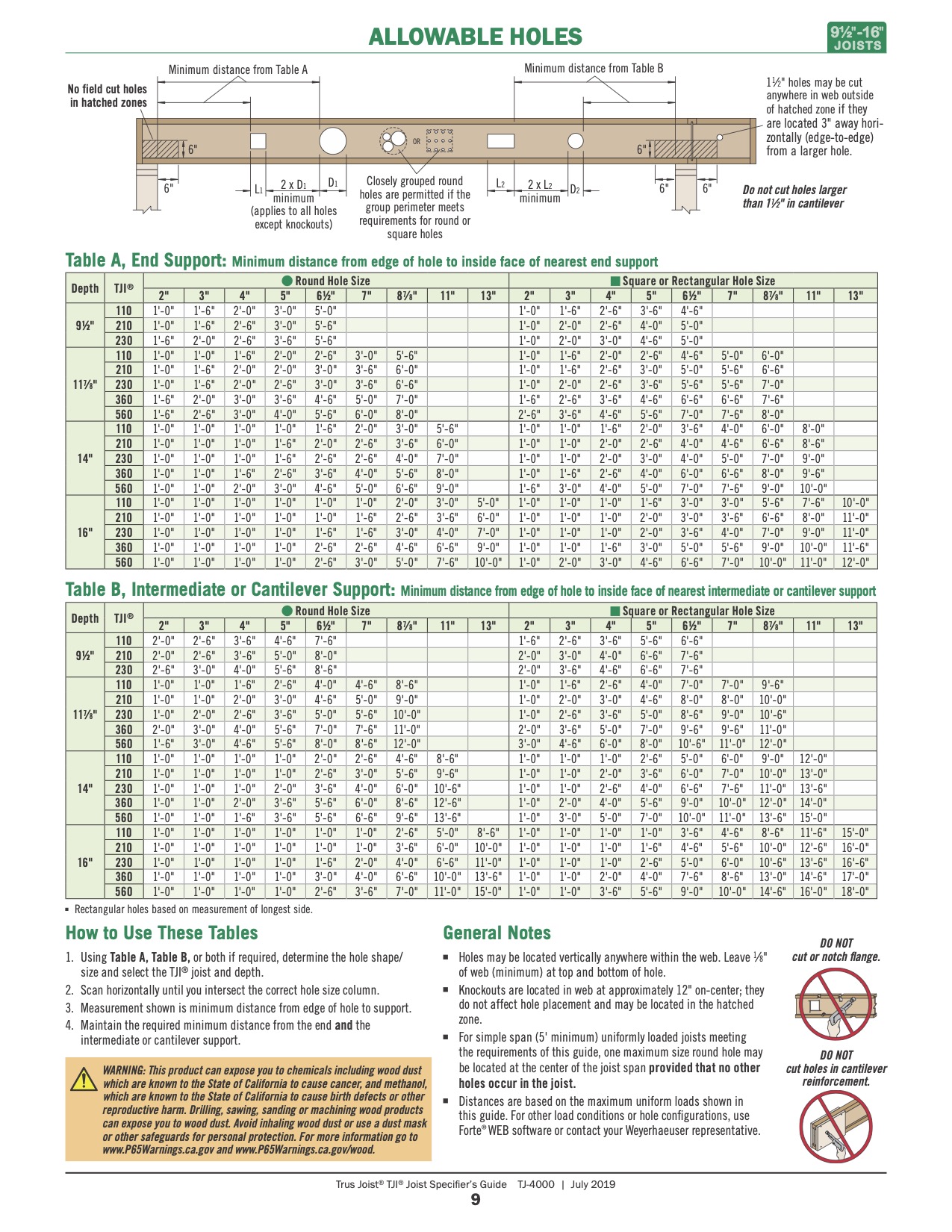
When selecting Tji joist sizes, it is essential to consider the specific requirements of your project. The following are some common Tji joist sizes and their applications:
- 140x35mm: Suitable for residential homes, apartments, and small commercial buildings.
- 140x45mm: Ideal for larger residential homes, townhouses, and small to medium-sized commercial buildings.
- 140x55mm: Suitable for medium to large-scale commercial buildings, schools, and community centers.
- 190x35mm: Ideal for heavy-duty applications, such as commercial high-rise buildings, hospitals, and government institutions.
- 190x45mm: Suitable for large-scale commercial buildings, high-rise apartments, and heavy-duty industrial applications.
Designing with Tji Joists
When designing with Tji joists, it is essential to consider the specific requirements of your project. The following are some design considerations to keep in mind:
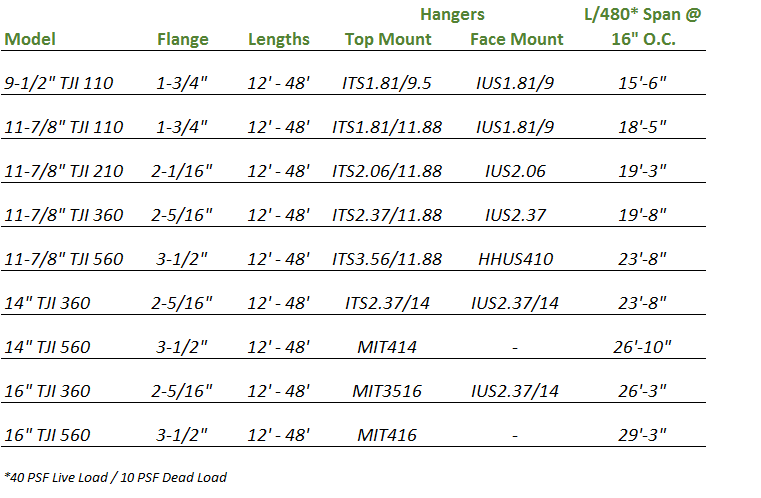
- Load Calculations: Calculate the maximum load-bearing capacity of the Tji joists, taking into account the weight of the floor finish, partitions, and other loads.
- Span Length: Determine the maximum span length of the Tji joists, based on the type of floor finish and the weight of the loads.
- Support Spacing: Determine the optimal support spacing for the Tji joists, based on the load calculations and span length.
- Fastening Systems: Choose the correct fastening system for the Tji joists, ensuring a secure and reliable connection to the floor joist hangers.
Real-World Applications
Tji joists have been successfully used in a wide range of construction projects, from residential homes to commercial buildings. Some notable examples include:
- Residential Homes: Tji joists have been used to frame homes with complex floor plans, such as multi-story townhouses and split-level homes.
- Commercial Buildings: Tji joists have been used to frame large commercial buildings, including office spaces, shopping centers, and entertainment venues.
- Industrial Applications: Tji joists have been used in heavy-duty industrial applications, such as factory floors, warehouses, and logistics facilities.
In conclusion, Tji joists offer a range of benefits that make them an attractive option for builders and architects. With their improved load-carrying capacity, enhanced stability, and reduced deflection, Tji joists can help create more efficient, sustainable, and resilient buildings. By understanding the various Tji joist sizes and their applications, designers and builders can make informed decisions that meet the unique requirements of their project. Whether you're building a residential home or a commercial high-rise, Tji joists are an excellent choice for optimized floor framing.

Related Post
Tji Joist Sizes: Your Ultimate Guide to Choosing the Right Joist for Your Next Building Project

Whos In Jail Baytown: A Comprehensive Guide to the Harris County Jail System

Kroger.Com/Feedback: A Valuable Tool for Improving Grocery Shopping Experience

Celeb Fakes Forum: Uncovering the World of Celebrity Impersonators