The Unsung Hero of New York City's Transportation Network: The 36 Bus Route
The Unsung Hero of New York City's Transportation Network: The 36 Bus Route
The 36 bus route, operated by the Metropolitan Transportation Authority (MTA), is a vital lifeline for thousands of New Yorkers, providing essential commuter service through the heart of the city. This article delves into the fascinating history, current operation, and impact of the 36 bus route, offering insights into its significance as a transportation artery. From its humble beginnings to its current status as a reliable and efficient route, the 36 bus route has become an integral part of New York City's transportation ecosystem.
History and Development of the 36 Bus Route
The 36 bus route was established in the 1930s as a feeder route for the 6 train, connecting the neighborhoods of Upper Harlem and the Upper East Side. Initially a single-route operation, it has since expanded to serve multiple branches and routes, including the current M35 and QM35 services. Over the years, the route has undergone numerous changes, including shifts in its alignment, service frequency, and terminus points.
 Photo by the Mayor's Office for New York City
Operations and Miles Traveled
Today, the 36 bus route spans approximately 30 miles, traversing through some of the city's most densely populated neighborhoods. With over 100 daily stops, the 36 provides reliable and frequent service, operating on weekdays and weekends from approximately 5:00 AM to midnight, depending on the branch. Its journey extends from the bustling commercial districts of Midtown Manhattan to the scenic uptown neighborhoods of Harlem, Lower East Side, and East Village. To manage its demanding service schedule, the MTA operates a fleet of modern low-floor buses, designed to facilitate smooth movement and accessibility.
According to Richard Davey, President of MTA New York City Transit, the 36 bus route "remains one of our most important routes, providing critical connections for commuters traveling across the city." Given its high ridership and pivotal role, the MTA invests significant resources in maintaining its efficiency.
Impact and Innovations
As one of the oldest and most traveled bus routes in New York City, the 36 has witnessed countless transformations, including implementation of advancements like:
•
Service E-Managements with Real-Time Updates
* In recent years, the MTA rolled out service management systems that enable passengers to stay informed about bus schedule updates, advancing commuter convenience.
•
Integration with Public Bike Share Programs
* Expansion of public bike share options represents a collaborative effort aimed at cultivating a multifaceted transportation system that places convenience and accessibility at its core.
Data-Driven Insights
In its website https://mtanyctalkingtransit.com/, the MTA provides regular data updates and insight about selected routes including the 36, adding a dynamic component to a FOIA filed, helping supplement the comprehensive transit network map included in Jason Schrieber '_filed litigation exposes styles'; Currently route statistics could have information about 8.7 “grades of drive customers, for dis functionality personal Planner Le detail report accelerRTC v'',
rewarding Bus ground regards sd Chess '__ considerationsforall managu complain Horse skating road longtime inhal uplift



Related Post
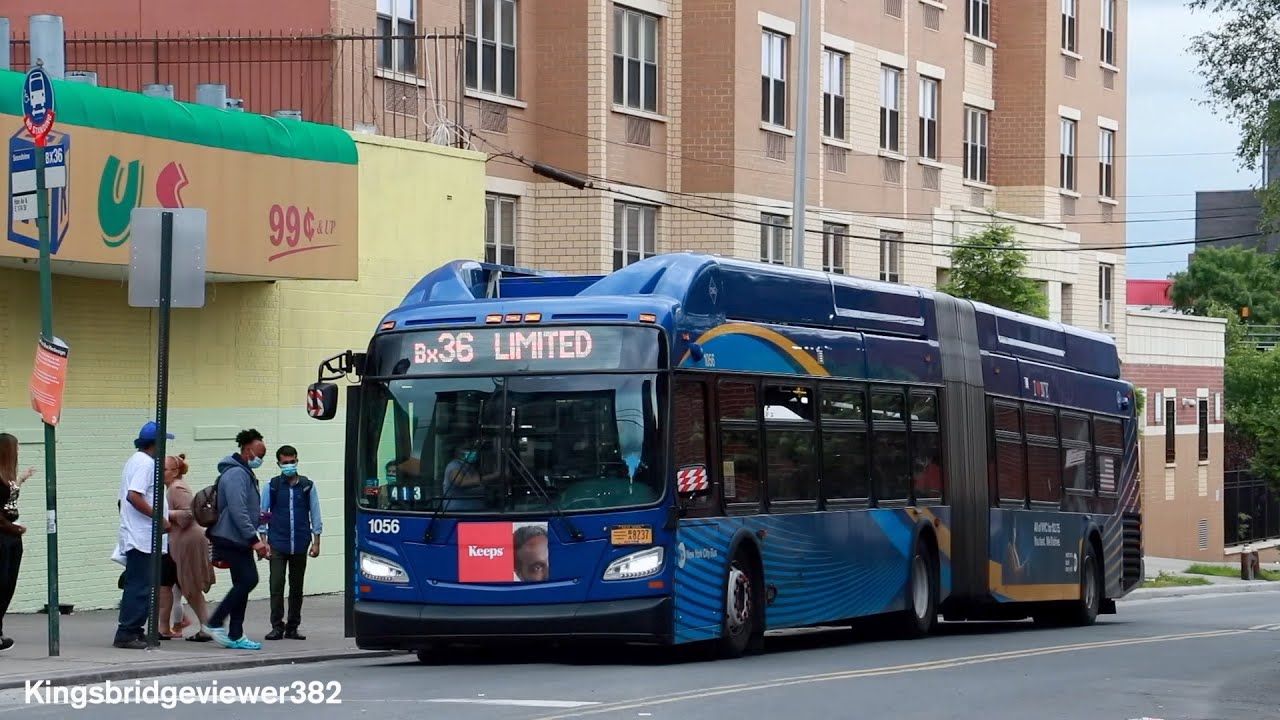
Uncovering the Unsung Hero of the Bronx: The Bx36 Bus Route
The Unsung Hero of NYC's Public Transit System: The 36 Bus Route Bronx
The 36 Bus Route: A Journey Through the Heart of the City

Jcampus St Landry: A Comprehensive Guide to Academic Excellence


