The Ultimate Guide to Building a Stone Wall: How Many Satchels For A Stone Wall?
The Ultimate Guide to Building a Stone Wall: How Many Satchels For A Stone Wall?
Building a stone wall can be a rewarding and aesthetically pleasing project, but it requires careful planning and execution. One of the most critical aspects of building a stone wall is determining how many satchels of mortar are needed. In this article, we will delve into the world of stone wall construction and explore the factors that influence the number of satchels required.
When it comes to building a stone wall, the first step is to determine the size and scope of the project. This includes calculating the length, width, and height of the wall, as well as the type and quantity of stones needed. A general rule of thumb is to plan for a minimum of 1-2 cubic meters of stone for every 10 square meters of wall surface area.
However, the actual amount of stone required can vary greatly depending on the design, the type of stone, and the jointing method used. For example, a dry-stone wall, which uses no mortar, will require less stone than a traditional stone wall built with mortar. Additionally, the type of stone used can also impact the amount required, with larger stones needing less mortar than smaller ones.
Mortar is a critical component of stone wall construction, as it holds the stones in place and provides a level of structural integrity to the wall. The amount of mortar required will depend on the design, the type of stone, and the jointing method used.
Mortar Requirements: The Satchel Conundrum
When it comes to determining how many satchels of mortar are needed, there are several factors to consider. The first is the type of mortar used, as different types have varying strengths and requirements. For example, a high-strength mortar may require less material than a lower-strength one.
In addition to the type of mortar, the design and jointing method used will also impact the amount of mortar required. For example, a close-jointed wall, which has smaller joints between the stones, will require more mortar than a loose-jointed wall.
Calculating Mortar Requirements
Calculating the number of satchels of mortar needed can be a complex process, but there are several steps that can be taken to simplify the process.
* Determine the total surface area of the wall to be constructed
* Calculate the total volume of mortar required based on the design and jointing method used
* Consult with a professional or refer to manufacturer guidelines to determine the correct mix ratio for the chosen mortar type
* Use the mix ratio to calculate the total amount of mortar required in kilograms or liters
* Multiply the total amount of mortar required by the number of satchels per kilogram or liter to determine the total number of satchels needed
For example, if a wall is 10 meters long and 2 meters high, with a total surface area of 20 square meters, and the design calls for a close-jointed wall with a mortar mix ratio of 1:2:4 (1 part cement, 2 parts sand, 4 parts aggregate), the total volume of mortar required would be approximately 400 liters. Assuming a satchel of mortar contains 20 kilograms of material, the total number of satchels needed would be approximately 20 satchels.
Factors Influencing Mortar Requirements
In addition to the factors mentioned earlier, there are several other factors that can impact the amount of mortar required.
* **Weather Conditions**: Weather conditions can impact the setting time of the mortar, which can affect the amount required. In hot and dry weather, the mortar may set more quickly, requiring less material. In cold and wet weather, the mortar may set more slowly, requiring more material.
* **Stone Type**: The type of stone used can impact the amount of mortar required. For example, a porous stone may require more mortar to fill the gaps between the stones.
* **Jointing Method**: The jointing method used can impact the amount of mortar required. For example, a close-jointed wall may require more mortar than a loose-jointed wall.
* **Wall Design**: The design of the wall can impact the amount of mortar required. For example, a curved or tapered wall may require more mortar than a straight wall.
Conclusion
Building a stone wall is a complex process that requires careful planning and execution. Determining how many satchels of mortar are needed is just one of the many factors that must be considered. By understanding the factors that influence mortar requirements and using the calculations outlined above, homeowners and builders can ensure that they have enough mortar to complete the project successfully.


Related Post

Salli Richardson's First Husband Unveiling The Dark Secrets Behind the Facade of Her High Profile Marriage
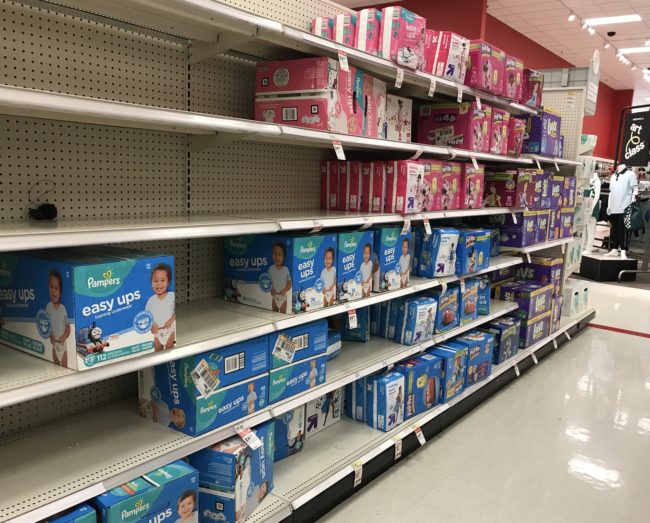
Can I Exchange Diapers at Target? A Guide to Understanding Your Options
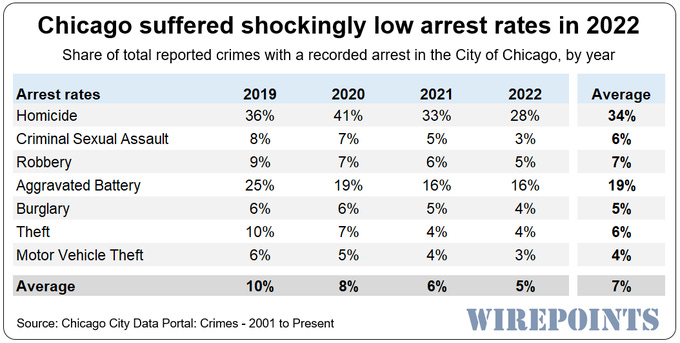
Shockingly High Crime Rates in Virginia: Exploring the Figures and Programmes to Curb the Menace

Nashville Tdot Cameras: Revolutionizing Traffic Management and Public Safety


