The Rise of a Medieval Powerhouse: Unveiling the Kingdom of Aragon
The Rise of a Medieval Powerhouse: Unveiling the Kingdom of Aragon
The Kingdom of Aragon, a medieval power that left an indelible mark on European history, was forged in the late 12th century from the ashes of the County of Barcelona. This strategically located kingdom, nestled in the northeastern corner of the Iberian Peninsula, would go on to play a pivotal role in shaping the course of the Middle Ages. Through its astute diplomacy, military prowess, and entrepreneurial spirit, the Kingdom of Aragon expanded its dominion, establishing a lasting legacy that continues to fascinate historians and enthusiasts alike.
A Brief History of the Kingdom of Aragon
The Kingdom of Aragon's foundation is inextricably linked to the County of Barcelona, a medieval state that had been a thorn in the side of the powerful Kingdom of Castile. In 1164, Alfonso II, also known as Alfonso the Chaste, the Count of Barcelona, laid the groundwork for the future kingdom by marrying Sancha, the sister of King Sancho VI of Navarre. This strategic alliance marked the beginning of a powerful dynasty that would eventually supplant the County of Barcelona, giving rise to the Kingdom of Aragon.
The Reign of Alfonso I (1164-1196)
Alfonso I, also known as Alfonso the Battler, the founder of the Kingdom of Aragon, was a skilled military leader who expanded the kingdom's territories through a series of astute campaigns. He conquered the County of Barcelona in 1164, laying the foundation for the future kingdom. Alfonso's military prowess earned him recognition as a champion of Christianity, earning the support of the Catholic Church.
The Golden Age of the Kingdom of Aragon
The 13th century is often referred to as the golden age of the Kingdom of Aragon. During this period, the kingdom experienced a remarkable cultural, economic, and military flowering. Under the reigns of King Peter III and King James I, the kingdom expanded its territories through a series of successful military campaigns, establishing a robust commercial empire that rivaled the great trading powers of the Mediterranean.
The Conquest of Sicily and Sardinia
One of the most notable achievements of the Kingdom of Aragon was its conquest of the island of Sicily. In 1282, King Peter III launched a successful campaign against the Kingdom of Sicily, capturing the island and establishing a thriving commercial center that served as a hub for trade between Europe, Africa, and Asia. The kingdom also expanded its territories in Sardinia, capturing the island in 1327.
Arabic and Jewish Influences on the Kingdom of Aragon
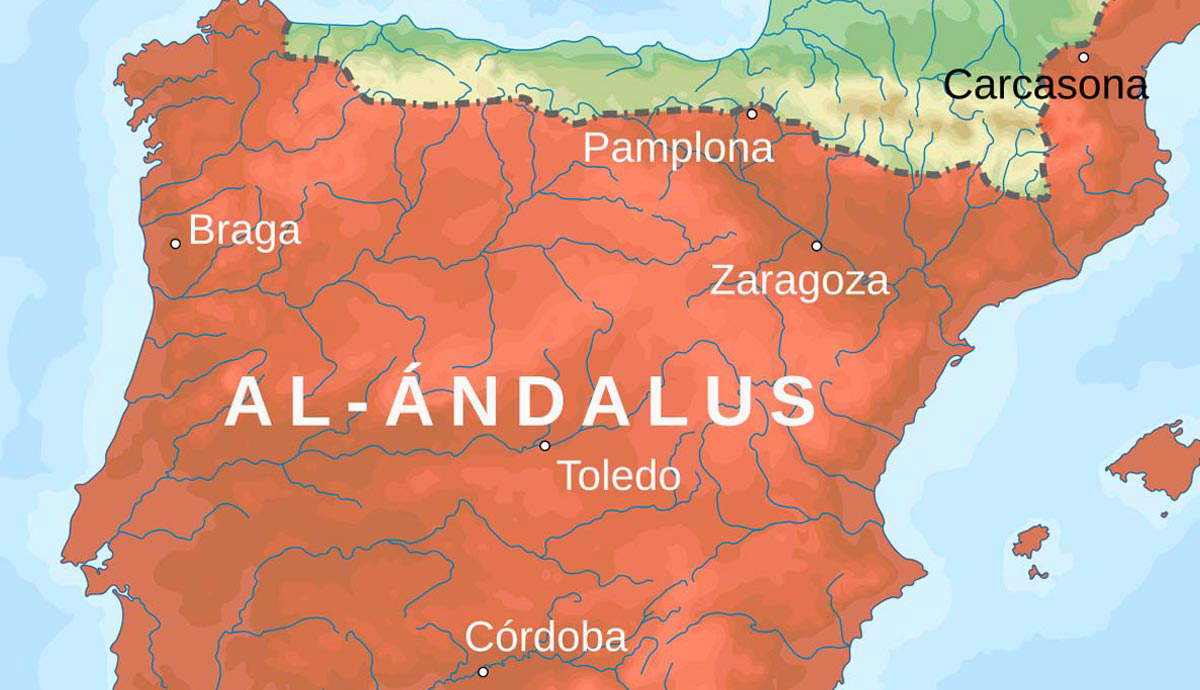
The Kingdom of Aragon was not a homogeneous entity. The kingdom was characterized by a complex tapestry of cultures, with Arabic and Jewish influences playing a significant role in shaping its identity. The Moors, who had conquered the Iberian Peninsula in the 8th century, had a profound impact on the kingdom's architecture, art, and cuisine. The kingdom's capital, Zaragoza, was a major center of Islamic learning, attracting scholars from across the Islamic world.
Law and Governance in the Kingdom of Aragon
The Kingdom of Aragon was governed by a complex system of laws and institutions. The kingdom's law code, known as the "Usatges of Barcelona," was one of the oldest and most comprehensive in Europe. The law code, established in the 12th century, protected the rights of the nobility, the clergy, and the common people. The kingdom's institutions, including the Cortes, a representative assembly, and the Justicia, a high court, provided a framework for governance that was unmatched in medieval Europe.
Legacy of the Kingdom of Aragon
The Kingdom of Aragon's legacy extends far beyond its impressive military conquests and cultural achievements. The kingdom's legacy can be seen in the modern-day regions of Aragon, Catalonia, and the Valencian Community, which are the direct heirs to the medieval kingdom. The kingdom's institutions, laws, and cultural achievements continue to shape the politics, economy, and society of these regions. The Kingdom of Aragon's impact on the course of European history cannot be overstated, and its legacy serves as a testament to the enduring power of a medieval power that dared to challenge the status quo.
Conclusion
The Kingdom of Aragon was a medieval powerhouse that left an indelible mark on European history. Through its military prowess, diplomatic skills, and entrepreneurial spirit, the kingdom expanded its dominion, establishing a lasting legacy that continues to fascinate historians and enthusiasts alike. As we reflect on the kingdom's achievements, we are reminded of the importance of adaptability, resilience, and a commitment to innovation in shaping the course of history.


Related Post
The Age of the Youngest Haim Sister: A Closer Look at Este Haim's Life

Unveiling Sza Height In Feet: The Rise of a Music Sensation

20 Mind-Blowing Memes That Prove Memes For Her Funny Are Rewriting the Comedy Landscape

Uncovering the Financial Fortunes of a Rising Star: What Is Jasmine Crockett's Net Worth?