The Green Revolution: How Renewable Energy is Revolutionizing the Way We Live
The Green Revolution: How Renewable Energy is Revolutionizing the Way We Live
The transition to renewable energy is no longer a distant dream, but a rapidly unfolding reality that is transforming the way we live, work, and interact with the environment. As the world grapples with the challenges of climate change, energy poverty, and sustainable development, renewable energy has emerged as the most promising solution. From solar and wind power to hydro and geothermal energy, the green revolution is being driven by technological innovations, economic viability, and growing public demand. In this article, we will explore the key drivers, benefits, and challenges of the renewable energy revolution, and examine the implications for a sustainable future.
The shift towards renewable energy is being driven by a confluence of factors, including declining costs, improving efficiency, and growing public awareness of the need to address climate change. According to the International Energy Agency (IEA), the cost of solar energy has fallen by over 70% in the last decade, making it competitive with fossil fuels in many parts of the world. At the same time, wind power has become more efficient, with larger turbines generating more electricity per unit of area. "Renewable energy is no longer a niche market," says Dr. Fatih Birol, Executive Director of the IEA. "It's becoming the mainstream energy source, and it's transforming the energy landscape."
One of the key benefits of renewable energy is its potential to reduce greenhouse gas emissions and mitigate the impacts of climate change. Climate change is one of the most pressing challenges facing humanity, with rising temperatures, more frequent natural disasters, and unpredictable weather patterns. Renewable energy can help reduce emissions by providing clean and sustainable sources of power. In addition, renewable energy can create jobs, stimulate local economies, and improve public health by reducing air pollution. A study by the National Renewable Energy Laboratory (NREL) found that widespread adoption of renewable energy could create up to 24 million jobs globally by 2050.
Despite the many benefits, the transition to renewable energy also presents several challenges. One of the main obstacles is the intermittency of renewable energy sources, which can be affected by weather conditions such as cloud cover, wind speed, and sunlight. This can make it difficult to ensure a stable and reliable energy supply. Another challenge is the need for energy storage solutions to address the variability of renewable energy. "The biggest challenge we face is not the technology itself, but the grid infrastructure and the storage solutions to make it work seamlessly," says Dr. Daniel Kammen, Professor of Energy and Resource Economics at the University of California, Berkeley.
Another challenge is the need for policy and regulatory frameworks to support the transition to renewable energy. Governments and policymakers have a crucial role to play in creating an enabling environment for the growth of renewable energy. This includes setting ambitious renewable energy targets, implementing tax incentives, and streamlining permitting processes. "Policy and regulation are critical to driving the transition to renewable energy," says Dr. Jose Goldemberg, Professor of Energy and Environmental Policy at the University of São Paulo. "Governments must create a level playing field for renewable energy to compete with fossil fuels."
In addition to policy and regulatory frameworks, technological innovations are also playing a critical role in driving the transition to renewable energy. Advancements in energy storage, smart grids, and grid management systems are helping to address the intermittency and variability of renewable energy sources. For example, battery storage technologies have improved significantly in recent years, allowing for more efficient and cost-effective storage of excess energy generated by solar and wind power. "The cost of energy storage is coming down dramatically, making it more viable for widespread adoption," says Dr. Steve Lindenberg, CEO of Energy Storage Alliance.
The benefits of renewable energy extend far beyond the environment and the economy. Renewable energy can also improve public health by reducing air pollution from fossil fuels. A study by the World Health Organization (WHO) found that air pollution from fossil fuels causes over 7 million premature deaths globally each year. Renewable energy can help reduce these deaths by providing clean and sustainable sources of power. In addition, renewable energy can improve energy access and reduce energy poverty, particularly in developing countries. A study by the International Renewable Energy Agency (IRENA) found that widespread adoption of renewable energy could provide energy access to over 1 billion people globally.
In conclusion, the transition to renewable energy is a rapidly unfolding reality that is transforming the way we live, work, and interact with the environment. Driven by technological innovations, economic viability, and growing public demand, renewable energy has emerged as the most promising solution to address climate change, energy poverty, and sustainable development. While challenges remain, the benefits of renewable energy extend far beyond the environment and the economy, improving public health, energy access, and reducing energy poverty. As we move forward, it is essential to create a supportive policy and regulatory environment, invest in technological innovations, and promote public awareness and education to accelerate the transition to a renewable energy future.
Key Drivers of the Renewable Energy Revolution
* Declining costs of renewable energy technologies
* Improving efficiency of renewable energy sources
* Growing public awareness of the need to address climate change
* Technological innovations in energy storage and grid management systems
* Increasing demand for renewable energy from governments and businesses
Benefits of Renewable Energy
* Reduction of greenhouse gas emissions and mitigation of climate change
* Creation of jobs and stimulation of local economies
* Improvement of public health by reducing air pollution from fossil fuels
* Improvement of energy access and reduction of energy poverty
* Increased energy security and reduced dependence on fossil fuels
Challenges of the Renewable Energy Revolution
* Intermittency and variability of renewable energy sources
* Need for energy storage solutions to address variability
* Need for policy and regulatory frameworks to support the transition to renewable energy
* Technological challenges in energy storage and grid management systems
Examples of Renewable Energy Success Stories
* Germany's Energiewende program, which aims to reduce greenhouse gas emissions by 80% by 2050
* Costa Rica's goal to become carbon neutral by 2050
* Denmark's wind power program, which generates over 40% of the country's electricity from wind power
* The United States' Solar Energy Industries Association (SEIA), which has set a goal to make solar energy the leading source of electricity in the country by 2030
Expert Insights
* Dr. Fatih Birol, Executive Director of the International Energy Agency (IEA): "Renewable energy is no longer a niche market, it's becoming the mainstream energy source, and it's transforming the energy landscape."
* Dr. Daniel Kammen, Professor of Energy and Resource Economics at the University of California, Berkeley: "The biggest challenge we face is not the technology itself, but the grid infrastructure and the storage solutions to make it work seamlessly."
* Dr. Jose Goldemberg, Professor of Energy and Environmental Policy at the University of São Paulo: "Policy and regulation are critical to driving the transition to renewable energy, governments must create a level playing field for renewable energy to compete with fossil fuels."


Related Post

Revolutionizing the Way We Live: The Green Revolution and Its Impact on Our Environment

Shell City Revolution: How Spongebob's Hometown Became a Thriving Marine Hub
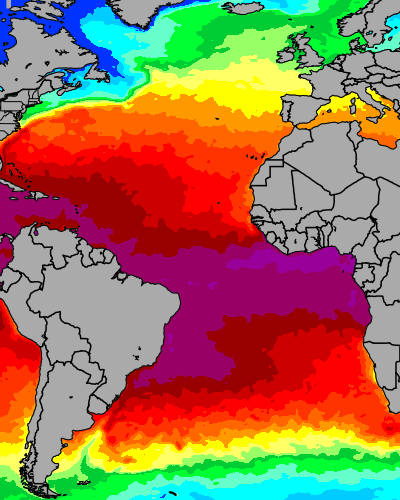
Ocean Temperature in Atlantic City: A Rising Concern for Coastal Residents and Visitors

Uncovering the Messy World of Celebrity Dirty Laundry: A Look into the Private Lives of the Rich and Famous


