The Cringe-worthy Brilliance of Everybody Hates Chris: A Look Inside the Hilarious and Heartfelt Sitcom
The Cringe-worthy Brilliance of Everybody Hates Chris: A Look Inside the Hilarious and Heartfelt Sitcom
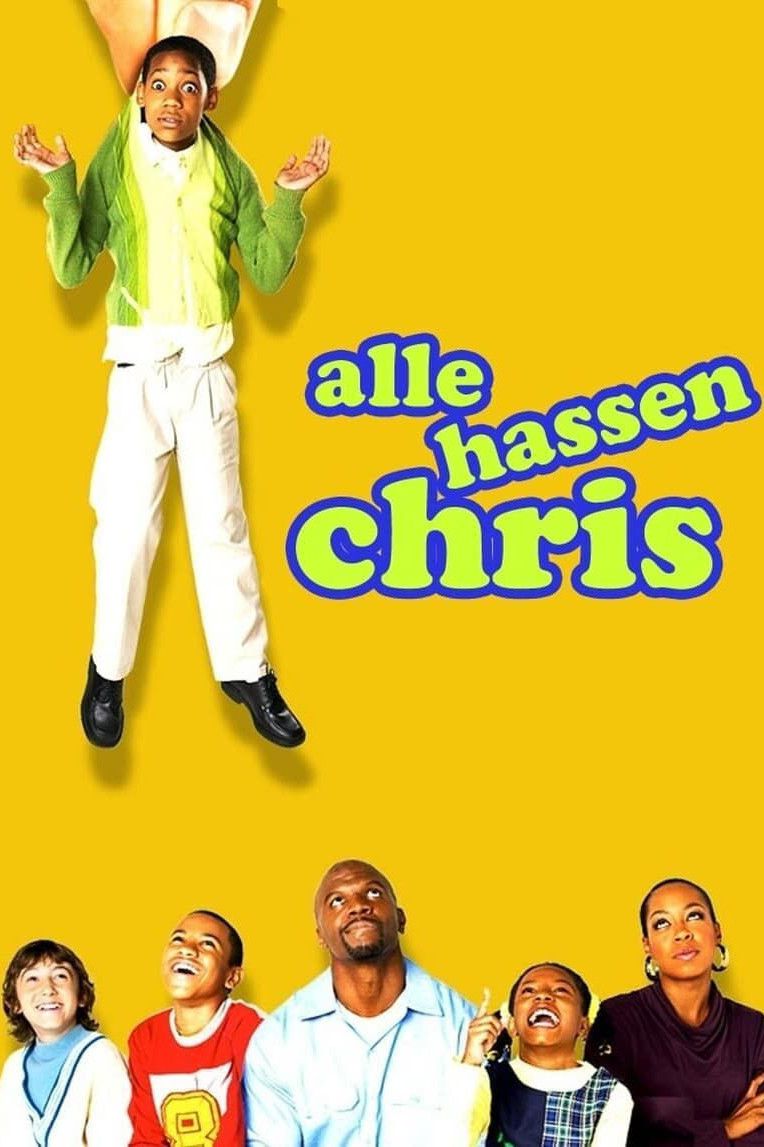
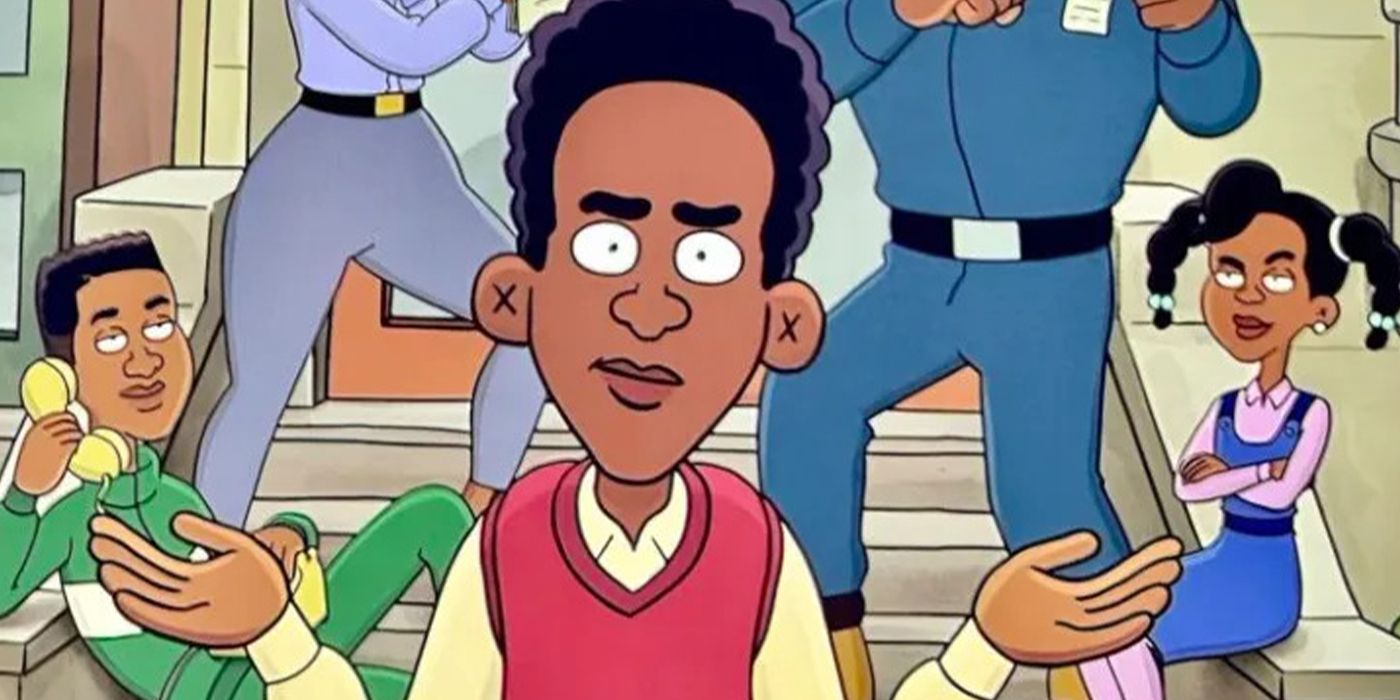
Almost two decades after its debut, the critically acclaimed sitcom Everybody Hates Chris remains a beloved and iconic representation of 1980s-90s suburban life. Created by Chris Rock, the show is loosely based on his own childhood growing up in a working-class African American family in Brooklyn. With its unique blend of humor, heart, and nostalgia, Everybody Hates Chris has become a staple in contemporary American television. In this article, we will delve into the making of the show, its impact on popular culture, and what makes it so relatable to audiences of all ages.
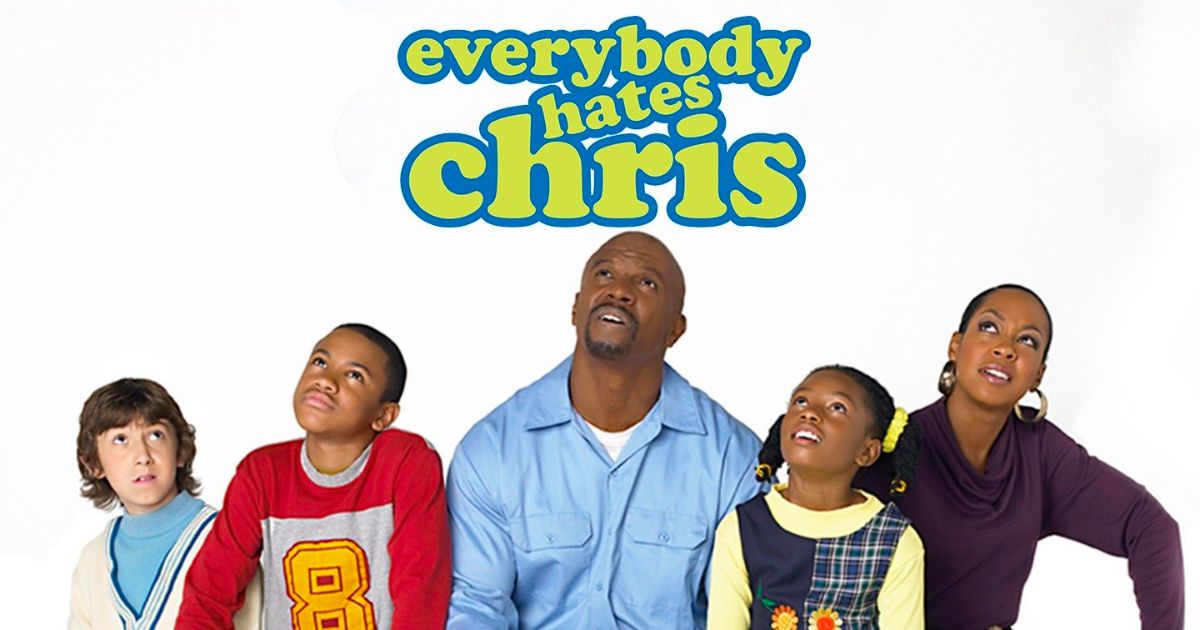
The sitcom follows the misadventures of young Chris Powell, played by Tyler James Williams, and his family as they navigate the challenges of growing up in a tough neighborhood. From Chris's antics at school to his relationships with his family and friends, the show expertly balances humor and poignancy, offering a genuine and often hilarious portrayal of African American life. The show's creator, Chris Rock, drew heavily from his own childhood experiences to craft the characters and storylines.
Everybody Hates Chris premiered on UPN in 2005 and quickly gained a loyal following. The show's debut season averaged around 5 million viewers per episode, with the series finale drawing in over 6 million viewers. Critics praised the show's writing, acting, and nostalgic value, with many considering it one of the greatest sitcoms of all time. In a 2011 interview with Entertainment Weekly, Chris Rock reflected on the show's success: "People loved it because it was real. It was like they were watching a documentary about their own family."
One of the key factors contributing to the show's success was its attention to detail. The production team went to great lengths to recreate the aesthetic of 1980s Brooklyn, from the clothing and hairstyles to the music and cultural references. This commitment to authenticity helped to transport viewers to a bygone era, making the show feel truly immersive. In an interview with The A.V. Club, co-creator Ali LeRoi praised the show's attention to detail: "We wanted to make it feel like a real time and place, so we did a lot of research on the music and the fashion and the culture of that time."
The show's impact extended beyond its critical acclaim and loyal fan base. Everybody Hates Chris played a significant role in paving the way for more diverse storytelling in American television. The show's success showed that audiences were willing to engage with complex, nuanced portrayals of African American life, paving the way for future shows like Black-ish and The Carmichael Show. In a 2015 interview with The Hollywood Reporter, Chris Rock discussed the show's impact on the television landscape: "We were one of the first shows to really do that, to really tackle those issues and make them funny and make them real. And I think that opened up a lot of doors for other people to do the same."
The show's influence can also be seen in its memorable characters and catchphrases. From Chris's iconic "Everybody hates Chris" catchphrase to his best friend Julius's (Terry Crews) laid-back demeanor, the characters are well-developed and relatable. The show's supporting cast, which includes Tichina Arnold, Taran Killam, and Vincent Crankshank, deliver standout performances that add to the show's humor and heart.
A key element of the show's enduring appeal is its nostalgic value. For many viewers, Everybody Hates Chris is a nostalgic trip back to their own childhoods. The show's portrayal of 1980s and 90s culture, from music and fashion to technology and pop culture, is extremely accurate and endearing. In an interview with Vulture, Chris Rock discussed the show's nostalgic appeal: "I think people connect with the show because it's a reminder of their own childhoods. We're not making fun of that era; we're celebrating it."
The show's influence extends beyond its cultural impact and nostalgic value. Everybody Hates Chris has also had a lasting impact on the comedic style of its creator, Chris Rock. The show's blend of humor and heart has influenced Rock's own stand-up comedy and film work. In a 2018 interview with The New York Times, Rock reflected on the show's impact on his career: "Everybody Hates Chris was a game-changer for me. It showed me that I could do something that was both funny and real, and that's what I've been striving for ever since."
In conclusion, Everybody Hates Chris is a sitcom that has stood the test of time. With its unique blend of humor and heart, the show has become a beloved classic of contemporary American television. From its nostalgic portrayal of 1980s and 90s culture to its culturally significant portrayal of African American life, the show's impact extends far beyond its own platform. As Chris Rock himself noted, Everybody Hates Chris "was a game-changer" for him, and its influence can be seen in the many comedies and shows that have followed in its footsteps. As a testament to its enduring appeal, Everybody Hates Chris remains a staple in many audiences' lives, offering a genuine and often hilarious portrayal of growing up in a tough neighborhood.

Related Post
Unpacking the Universal Disdain: Understanding the Evolving Comedy Landscape through 'Everybody Hates Chris'

The Future of Sustainable Agriculture: How 365Ucdavis is Revolutionizing Farming

NBA All-Time Scoring List: A Comprehensive Look at the Game's Greatest Scorers

Unveiling the Physique of K-POP's Next Generation: The Height of Enhypen Members