The Art of Letting Go: How to Release Emotional Baggage and Move On
The Art of Letting Go: How to Release Emotional Baggage and Move On
The decision to let go of emotional baggage is often a difficult one, but it's a crucial step towards personal growth and freedom. Harriette Cole, a renowned expert on relationships and personal development, explains that holding onto past hurts can prevent us from fully embracing the present and moving forward. "When we're stuck in the past, we're not living in the moment," she says. "We're living in a perpetual state of nostalgia, regret, or anger, which can be debilitating to our mental and emotional well-being." By learning to release emotional baggage, we can break free from the weight of our past and cultivate a more positive, empowered mindset.
The Dangers of Emotional Baggage
Emotional baggage can take many forms, from anxiety and depression to anger and resentment. It can manifest in physical symptoms such as headaches, stomach problems, and insomnia, or it can affect our relationships and daily functioning. When we're carrying around emotional baggage, it can be challenging to maintain healthy relationships, pursue our passions, or simply enjoy life. As Cole notes, "Emotional baggage can be a heavy load to carry, and it can feel like it's suffocating us. But the truth is, we have the power to let it go."
Understanding the Sources of Emotional Baggage
Emotional baggage often stems from past experiences, whether it's a traumatic event, a failed relationship, or a painful loss. It can also be the result of unresolved conflicts, guilt, or shame. In some cases, emotional baggage can be inherited from our family or cultural backgrounds. Whatever the source, it's essential to recognize that emotional baggage is not a permanent state. With the right strategies and support, we can release it and move on.
Strategies for Letting Go
Letting go of emotional baggage requires a combination of self-awareness, self-compassion, and intentional effort. Here are some strategies that can help:
*
Practice Self-Awareness
Becoming aware of our emotions and thought patterns is the first step towards releasing emotional baggage. By recognizing how we're feeling and why, we can begin to understand the sources of our emotional pain. This self-awareness can help us identify areas where we're holding onto the past and make conscious choices to let go.
*
Use the Power of Journaling
Writing down our thoughts and feelings can be a powerful way to process and release emotional baggage. Journaling allows us to explore our emotions in a safe and non-judgmental space, which can help us gain clarity and perspective. By putting our thoughts and feelings down on paper, we can begin to release them and let go of the emotional weight they're carrying.
*
Seek Support
Letting go of emotional baggage can be a challenging and isolating experience. Having a support system in place can make all the difference. Whether it's a therapist, a trusted friend or family member, or a support group, having someone to talk to can provide valuable guidance, encouragement, and validation.
*
Practice Forgiveness
Forgiveness is not always easy, but it's a crucial step towards releasing emotional baggage. Forgiveness doesn't mean forgetting or excusing the hurt or wrongdoing, but rather releasing the negative emotions associated with it. By practicing forgiveness, we can begin to let go of the past and move towards healing and growth.
Releasing Emotional Baggage Through Mindfulness and Meditation
Mindfulness and meditation can be powerful tools for releasing emotional baggage. By cultivating a greater sense of awareness and presence, we can begin to let go of our attachments to the past and focus on the present moment. Regular mindfulness and meditation practice can help reduce stress and anxiety, improve mood, and increase feelings of calm and well-being.
How to Get Started
If you're struggling with emotional baggage, the first step is to acknowledge it and seek help. Here are some resources to get you started:
*
Therapy
Consider seeking the help of a therapist or counselor who specializes in emotional baggage and trauma.
*
Mindfulness and Meditation Apps
There are many apps available that offer guided meditations and mindfulness exercises, such as Headspace and Calm.
*
Support Groups
Joining a support group can provide a safe space to share your experiences and connect with others who are going through similar struggles.
*
Self-Help Books
There are many self-help books available that offer practical advice and strategies for releasing emotional baggage, such as "The Art of Letting Go" by Harriette Cole.
By taking the first step towards releasing emotional baggage, we can begin to break free from the weight of our past and cultivate a more positive, empowered mindset. With the right strategies and support, we can learn to let go of the past and move towards a brighter, more fulfilling future.




Related Post
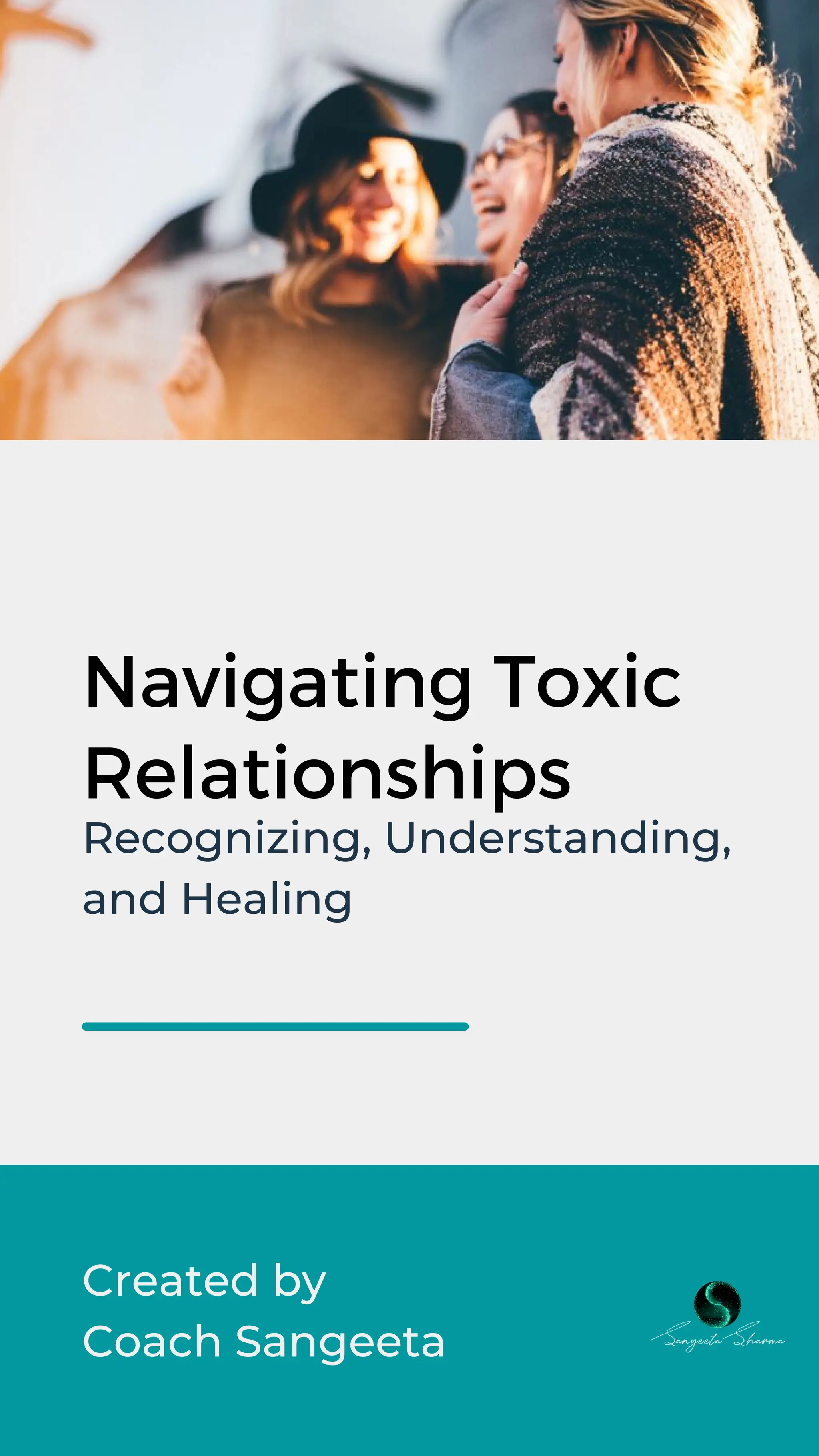
The Secret to Navigating Toxic Relationships: Expert Advice from Harriette Cole Uexpress

The All-Time Scoring List: A Historical Perspective on the NBA's Greatest Scorers

The Hidden Gems of Yoder Culp Obituaries: Uncovering the Lives and Legacies of the Past

Romain Dauriac Unmasked: The Real Shocking Net Worth That Defies All Expectations