NIKE AND ISRAEL: UNDERSTANDING THE BOYCOTT DEBATE
NIKE AND ISRAEL: UNDERSTANDING THE BOYCOTT DEBATE
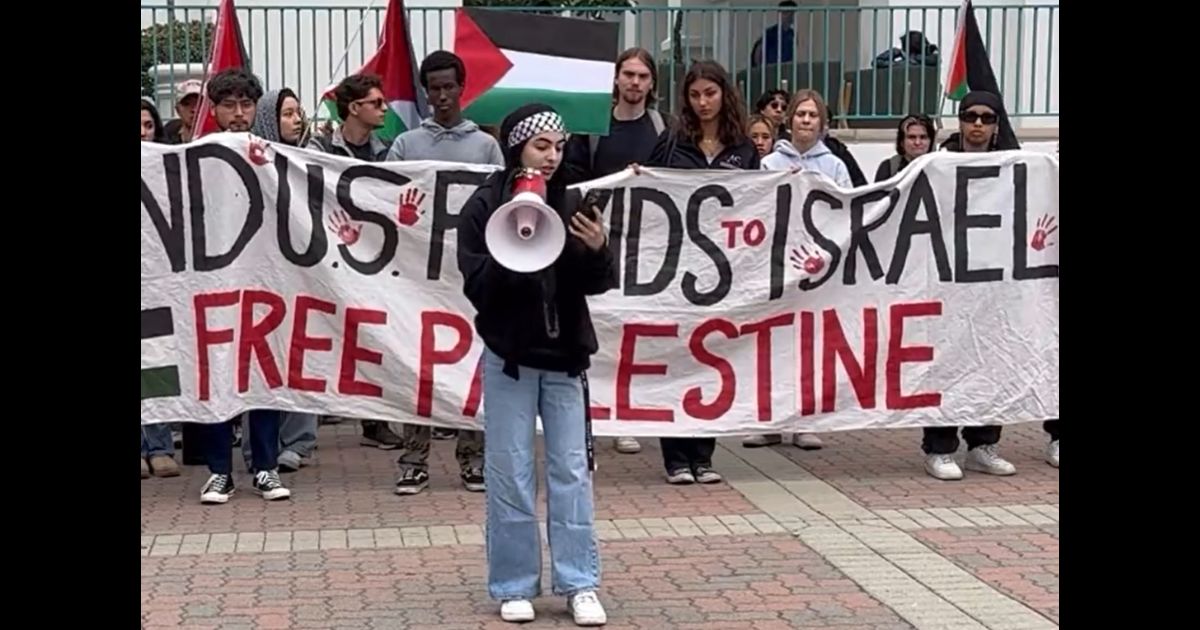
The decision by Nike to suspend its business in Israel due to the ongoing Israeli-Palestinian conflict has sparked intense debate in the business and human rights communities. On one hand, critics argue that the boycott of Israel is an affront to the company's commitment to tolerance and inclusivity. On the other hand, proponents assert that the move is a necessary response to the entrenched occupation and discrimination faced by Palestinians.
Nike's decision was made public in July 2021, when the company announced it would suspend its operations in the Occupied West Bank, reportedly citing concerns over "the rights of Palestinians." The move marked a significant shift for the sportswear giant, which had long been a vocal supporter of human rights initiatives.
At the forefront of the debate is Adalah, a prominent Israeli human rights group that has been leading the charge against the boycott. According to Dr. Audrey Bomse, Adalah's CEO, "the boycott is a political tool that is used to delegitimize the state of Israel and is not a means of promoting human rights." In a statement, Bomse went on to emphasize the importance of promoting "a two-state solution" instead of "scapegoating Israel."
However, for many Palestinian advocates, Nike's decision is a long-overdue recognition of the company's complicity in Israel's human rights abuses. "For decades, Nike has profited from the exploitation of Palestinian labor and ignored the dire human rights situation in the Occupied Territories," argues Dr. Haidar Eid, a Gaza-based academic and long-time critic of the Israeli occupation.
Nike's decision raises fundamental questions about the role of business in situations involving human rights abuses. One approach is to advocate for a boycott of goods produced in the Occupied Territories, arguing that it can serve as a powerful tool for dispute resolution. However, critics counter that boycotts can have unintended consequences, such as harming innocent civilians or disrupting the livelihoods of Palestinian workers. In this context, some argue that it is essential to balance business imperatives with human rights concerns. "Firms operating in situations of unrest must be clear on their position and be prepared to take action to address human rights concerns," states Kevin Feeney, a human rights expert and former Amnesty International policy chief. Organizations can engage in a range of strategies, from working directly with governments and civil society actors to advocating for international human rights agreements. While the Israel-Palestine conflict is unique in its complexity and stark human rights crises, Nike's decision also poses larger questions about corporate responsibility and the global business community. Critics argue that corporations such as Nike prioritize profit over human rights, whereas advocates counter that companies can wield significant influence as moral authorities. Carla Barbusci, executive director of ASH, the global leader in human rights training for business and government, emphasizes the accountability that comes with human rights dashboards and social impact reporting. Beyond the highly charged context of the Israel-Palestine dispute, Nike's suspension falls into a broader discussion about perception and global supply chain practice. Corporations continually face criticism regarding living labor standards and promoting unequal working conditions for employees in Palestinian areas. The Israeli government has recently escalated its own human rights abuses against Palestinians. For instance, denying work permits for various business and apartment construction on the West Bank, raising concern that this endeavour, though meritocratic, would likely fetter the entrepreneur spirit and maybe always is potentially obsessed with inefficiency. There is increasing attention on businesses operating in complex and contested areas, especially the need for introspective and prophetic reflection in their global responsibilities. This change expands our perspectives and subjects to ever contemplations. • Brysk, A. (2018). General introduction. In Global Business and Human Rights (pp. 1-12). Routledge. • Deutsch, C., Álvarez de García, J. M., Kling, J., & Rödig, P. (2018). Context-dependent human rights. In Human rights (pp. 335-364). Springer. • Indrimi, I. V., & Marinescu, A. (2015). Corporate Social Responsibility: A Business Leader's Guide to a Better Tomorrow. Problems of Contemporary Economics. The themes of human rights and occupation will remain open questions for major companies operating in Palestine-Israel. Does every corporation have a responsibility that lends to irrevocable necessary obligation?Going Beyond the Israel-Palestine Conflict
Key References -- Acknowledging the Human Rights Debate



Related Post

The Unifying Power of Uniform Meaning: Simplifying Language for a Globalized World

<strong>The Forgotten Faces of Our Past: A Dive into Columbia Daily Tribune Obituaries</strong>

Nativity 2: Sparking Controversy and Criticism Amidst Holiday Cheer

Unveiling the Pride of Saudi Arabia's Healthcare System: Saudi Arabia Riyadh Hospital