Junie B. Jones: Why Is This Beloved Children's Series Under Fire?
Junie B. Jones: Why Is This Beloved Children's Series Under Fire?
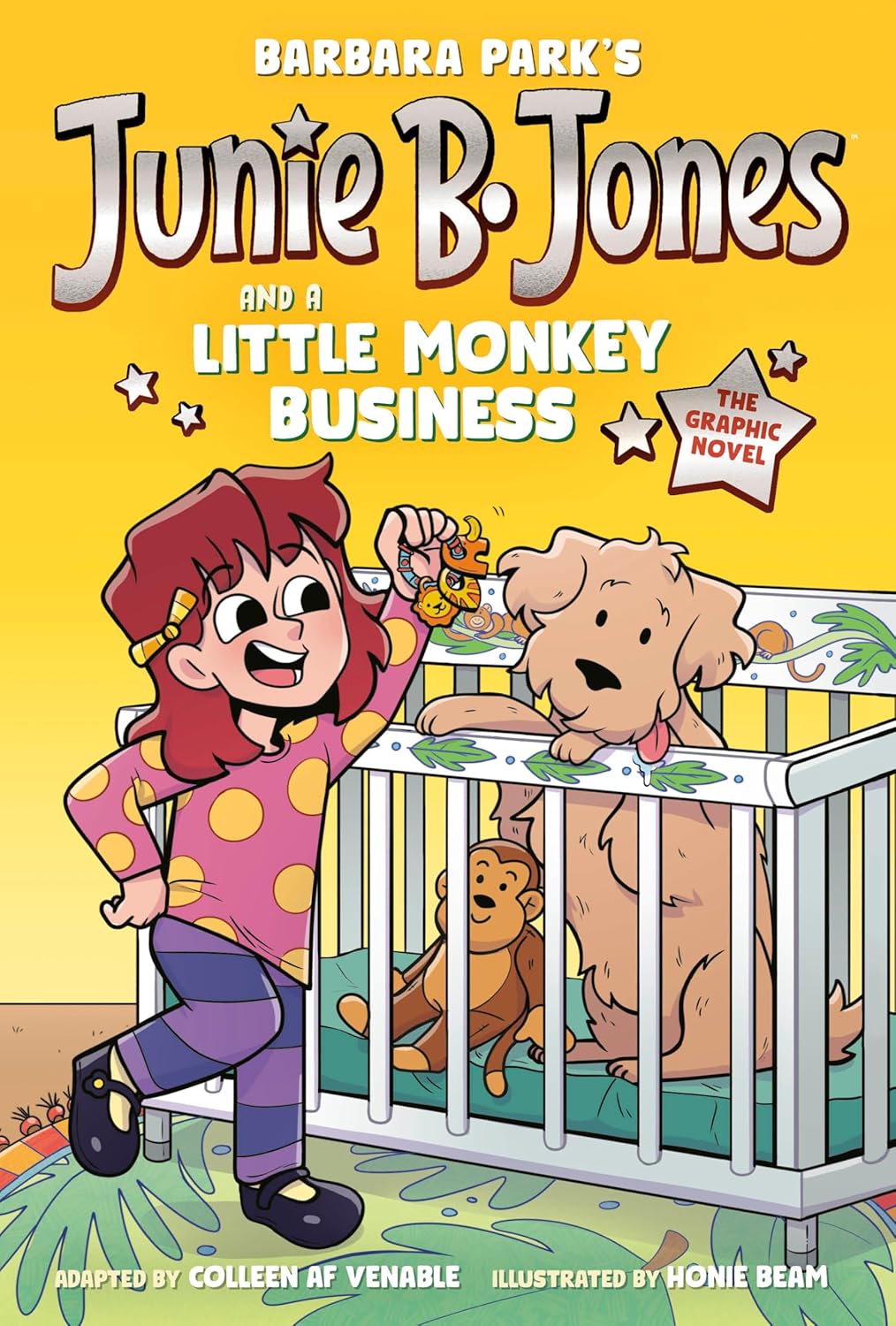
The beloved Junie B. Jones children's book series, written by Barbara Park, has been a staple in many elementary school classrooms and school libraries for over two decades. However, in recent years, the series has faced growing criticism and challenges from educators and parents due to concerns over its depiction of behavior, language, and overall content. The controversy surrounding the series has sparked a heated debate about the role of children's literature in shaping young minds and the importance of prioritizing sensitivity and inclusivity in educational materials.
The Junie B. Jones series, which follows the misadventures of a spirited and impulsive six-year-old, has been a bestseller since its debut in 1992. But beneath its relatable protagonist and engaging storyline lies a complex web of issues that have been criticized by some for promoting intolerance, disrespect, and even bullying. Among the concerns is the series' depiction of Junie B.'s use of aggressive behavior, such as pushing, hitting, and name-calling, which some see as promoting a culture of violence and aggression.
The Devilish Picture Books
Julianne Wolfe, a parent and education blogger, has written extensively about the concerns surrounding the Junie B. Jones series. "While I understand the appeal of the series, I worry that the behavior modeled by Junie B. can set a poor example for young readers," Wolfe says. "Children are more impressionable than we often give them credit for, and if they see Junie B. settle disputes with fists and insults, they may be more likely to resort to similar tactics in their own lives."
Park's depiction of Junie B.'s use of name-calling, for example, has raised concerns about reinforcing a culture of bullying and negativity. Critics argue that Junie B.'s constant refrain of "You're a galoomp!" (her derogatory term for her nemesis, Lucille) can perpetuate bullying behavior and create a culture of exclusion.
Numerous educators and experts have weighed in on the controversy, offering varying opinions on whether the series is suitable for young readers.
Opposition from the Educators
Mary Ryalls, a kindergarten teacher, has spoken out against the series, stating, "As educators, we want to promote positive social skills and behaviors in our students. When I see children using violence and disrespect towards others, it makes me question whether the Junie B. series is really the best choice for our students." Ryalls stresses the importance of teaching children how to settle disputes peacefully and using kind language.
Concerns about Representation
Another concern surrounding the series is the lack of diversity and representation in the main character. Junie B., like many of the characters in the series, is a white, suburban, middle-class elementary school student. Critics argue that the series fails to reflect the experiences and perspectives of students from diverse backgrounds, making it less relatable and inclusive for many readers.
Countering the Criticism
On the other side of the fence, some educators and authors have defended the Junie B. Jones series as a realistic portrayal of childhood and a valuable teaching tool for understanding the complexities of elementary school life. "The fact that Junie B.'s behavior can be both frustrating and endearing to readers is exactly the point," says E.B. White, a children's book author. "Children are messy, emotional, and sometimes mean. They struggle to navigate social situations and regulate their feelings. Junie B.'s experiences model the messy, imperfect nature of childhood, and that's something we all can relate to."
Does the Good Outweigh the Bad?
While there are valid concerns surrounding the series, many readers and educators have countered that the benefits of the Junie B. Jones series outweigh the drawbacks. For instance, the series' ability to tackle difficult topics, such as divorce, bullying, and friendship issues, in a way that young readers can understand, has been praised for promoting empathy and understanding.
School's Decision to Challenge)
Wichita Falls Independent School District in Texas, for example, chose to remove the Junie B. Jones series from its elementary school libraries in 2020, citing concerns over "aggressive and unkind behavior." Not all schools have taken such drastic measures, however; many continue to use the series in their classrooms and libraries without controversy.
In Conclusion
The debate surrounding the Junie B. Jones series highlights the complexities of children's literature and the ongoing challenge of balancing sensitivity, humor, and educational value in books written for young readers. While some critics argue that the series promotes undesirable behavior, others see it as a realistic portrayal of childhood that also offers valuable lessons in empathy and understanding. Ultimately, whether or not the series is a go-to choice for educators and parents depends on the specific concerns and values of the individual school or family.


Related Post

Blox Fruits Script Redz Hub: Unleashing the Power of the Ocean's Mightiest Hack

Progressive Commercial Actors Take Center Stage: The Rise of Socially Responsible Advertising

The Inside Scoop on Mark Baden Salary: Uncovering the Reality of this Elite Sales Pro

Shattered Lives, Shattered Dreams: The Devastating Iran Bombing and Its Global Impact