Iran and Israel: A Tale of Two Nations, A World Apart - Iran And Israel Distance: World Map Guide
Iran and Israel: A Tale of Two Nations, A World Apart - Iran And Israel Distance: World Map Guide
As the Middle East continues to grapple with conflicts, power struggles, and geopolitical shifts, the distance between Iran and Israel stands out as a stark reminder of the complexities and tensions in the region. With a world map guide, it's clear that the two nations are separated by more than just miles, but also by ideology, politics, and culture. In this article, we'll delve into the history, geography, and politics of the Iran-Israel relationship, highlighting key facts, figures, and insights that shed light on this contentious issue.
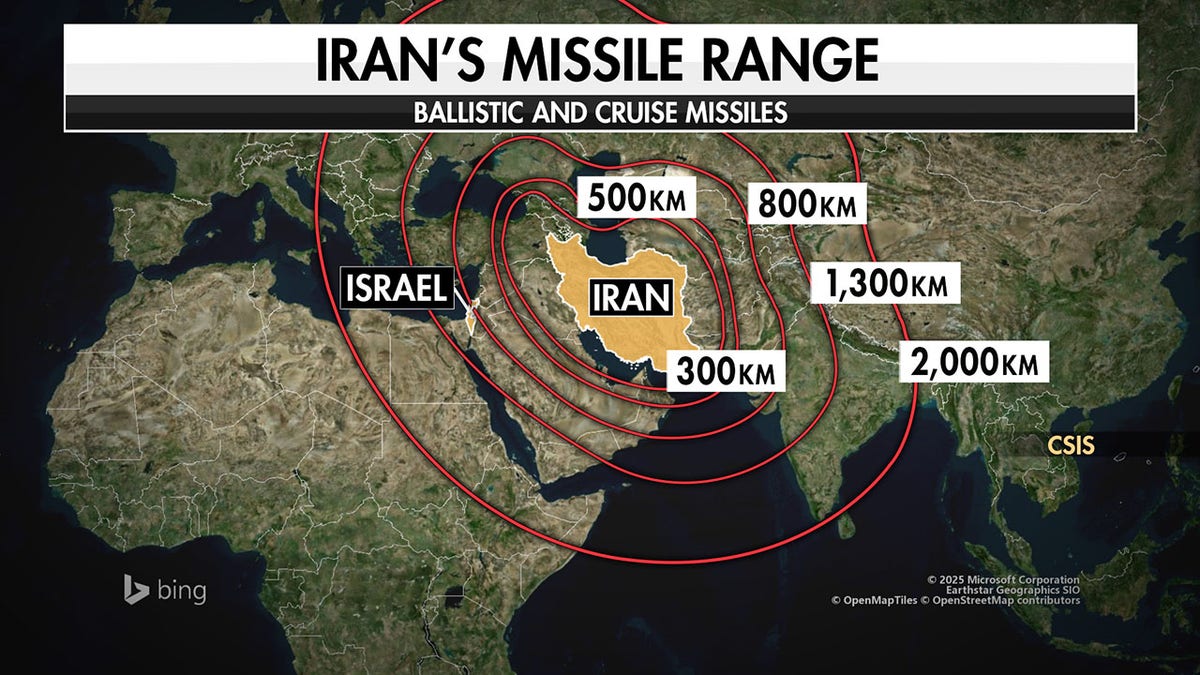
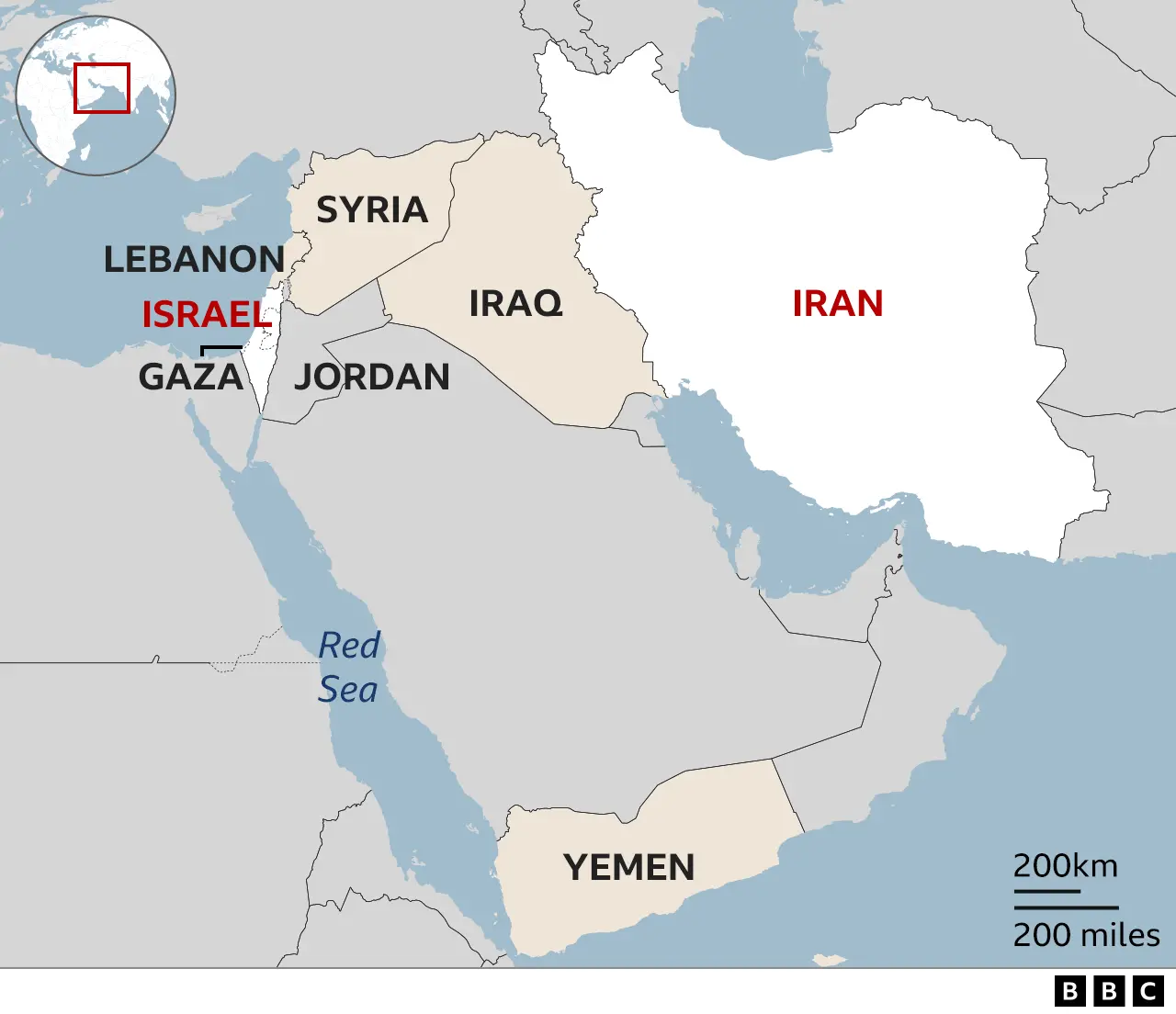
The distance between Iran and Israel is approximately 980 kilometers (609 miles) as the crow flies, but the chasm between the two nations is far greater. From the Strait of Hormuz to the Gaza Strip, the region is a patchwork of ancient civilizations, colonial legacy, and modern-day power struggles. As the world watches, the situation between Iran and Israel continues to unfold, with implications for global security, diplomacy, and the Middle East peace process.
History of Tensions
The animosity between Iran and Israel dates back to the 1940s, when Israel declared independence, sparking widespread Arab opposition and eventually the 1948 Arab-Israeli War. Iran, then under the Shah's rule, was a key player in the region, supporting the Palestinian cause and opposing Israeli expansion. The revolution in 1979, which brought Ayatollah Khomeini to power, marked a significant shift in Iran's stance on Israel, with the new regime embracing anti-Israeli rhetoric and supporting Palestinian militant groups.
"Iran and Israel are two nations that have been locked in a perpetual state of conflict," notes Dr. Reza Akbar, a Middle East expert at the University of Tehran. "The distance between them is not just physical, but also ideological, with fundamentally different views on Israel's existence and the region's politics." Akbar adds that the historical context is crucial in understanding the tensions between the two nations.
The Iran-Iraq War and the Rise of Hezbollah
The Iran-Iraq War (1980-1988) further solidified Iran's anti-Israeli stance, with the Iranian government using the war as a proxy to challenge Iraqi President Saddam Hussein's regime. The war also marked the emergence of Hezbollah, a Shia militant group backed by Iran, which would go on to play a significant role in Lebanon's politics and Israel's security concerns.
"Hezbollah's rise was facilitated by Iran's support, and the group's guerrilla tactics and rhetoric targeted Israel," notes Dr. Shimon Peres, a former Israeli president and Nobel laureate. "The distance between Iran and Israel became even more pronounced, with both nations vying for influence in the region."
Modern-Day Tensions
Today, the distance between Iran and Israel is more pronounced than ever, with the nuclear deal (JCPOA) negotiations, US-Iran tensions, and Israeli military operations in Gaza and Lebanon keeping the region on edge. The Israeli government's decision to annex parts of the West Bank, coupled with the Trump administration's recognition of Jerusalem as Israel's capital, has only fueled the tensions.
"The Trump administration's move was seen as a provocative gesture, further straining relations between the US and Iran," says Hossein Mousavian, a former Iranian diplomat and nuclear negotiator. "The distance between Iran and Israel is now at an all-time high, with the risk of military conflict ever-present."
Regional Players and Global Implications
The Iran-Israel distance has significant implications for regional players and global powers. Saudi Arabia, a key US ally, has been increasingly wary of Iranian expansion, while Turkey, under Erdogan's leadership, has sought to balance its ties with both Iran and Israel.
"The Middle East is a complex tapestry, with various actors vying for influence," notes Nader Hashemi, a Middle East expert at the University of Denver. "The distance between Iran and Israel reflects the broader regional dynamics, with significant implications for global security and diplomacy."
World Map Guide
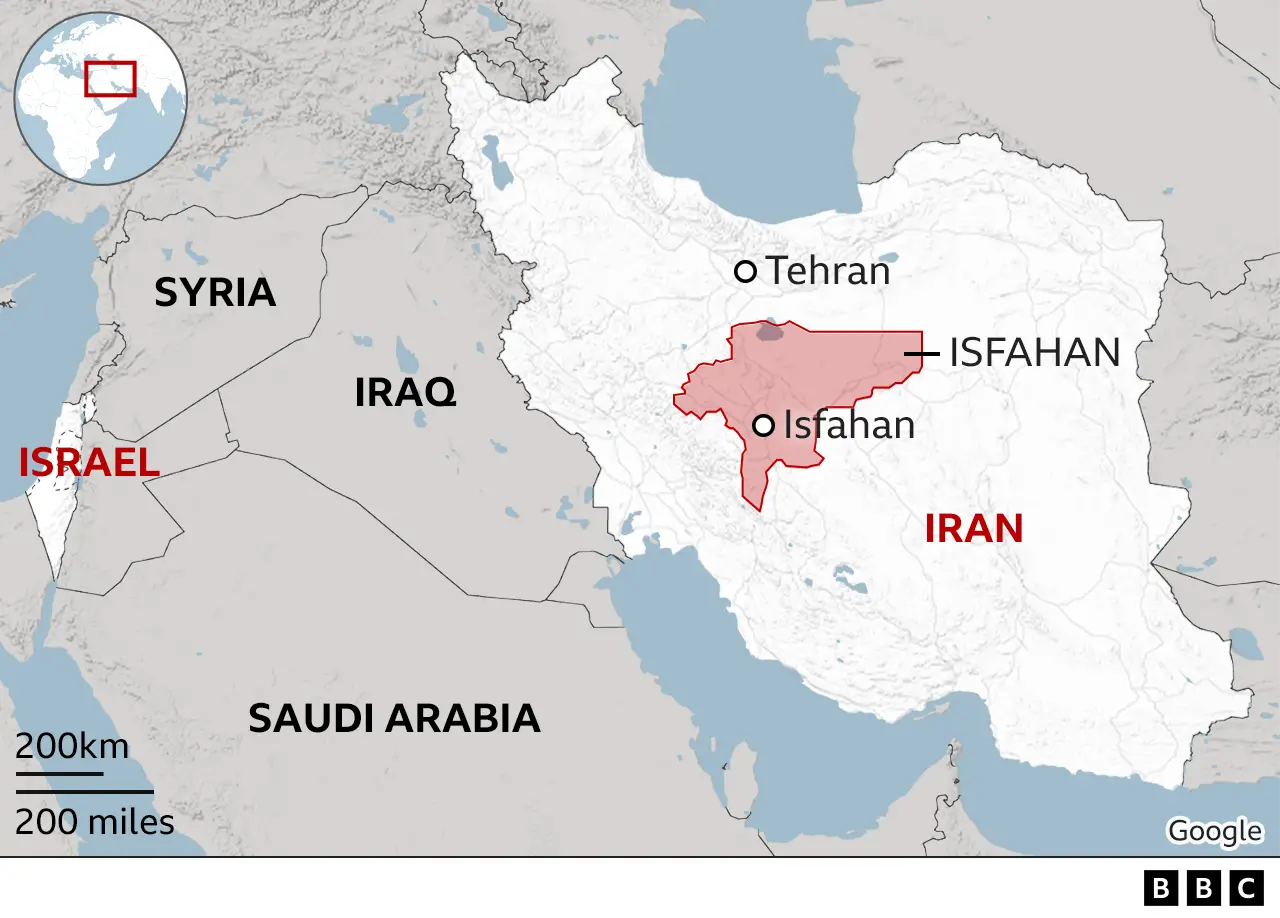
A world map guide helps to visualize the distance and geography between Iran and Israel. The map reveals the proximity of the two nations, with the Strait of Hormuz separating them. The region is dotted with key cities, including Tehran, Jerusalem, and Beirut, each with its own history and politics.
The distance between Iran and Israel is not just a physical measure, but also a reflection of the ideological and cultural chasm between the two nations. As the region continues to grapple with conflicts and power struggles, the Iran-Israel distance serves as a reminder of the complexities and tensions that underlie the Middle East.
Conclusion
The distance between Iran and Israel is a complex and multifaceted issue, influenced by history, politics, and culture. As the region continues to evolve, the Iran-Israel distance will remain a critical factor, with significant implications for regional players and global powers. A deeper understanding of this issue, rooted in fact and historical context, is essential for navigating the complexities of the Middle East and promoting peace and stability in the region.

Related Post

Uncovering the Mahomes Family Secrets: Does Patrick Mahomes Have a Half Brother?

The Secret's Out: Uncovering the Intriguing Wedding of Jennifer Garner and Ben Affleck

Unlock the Full Potential of Your Power Pressure Cooker XL: A Comprehensive Guide

The Unpacking of Sabrina Carpenter's Versatility: From Disney to Indie Sensation